
An overview for manufacturers, formulators and distributors choosing lipase for food, detergent, oil, leather, feed and fuel processes. Wholesale and bulk supply is quoted per order against your application.
Request a quote: send the product you make, the quantity per order or per month, and the destination country. Request a quote
Industrial Lipase Applications Overview
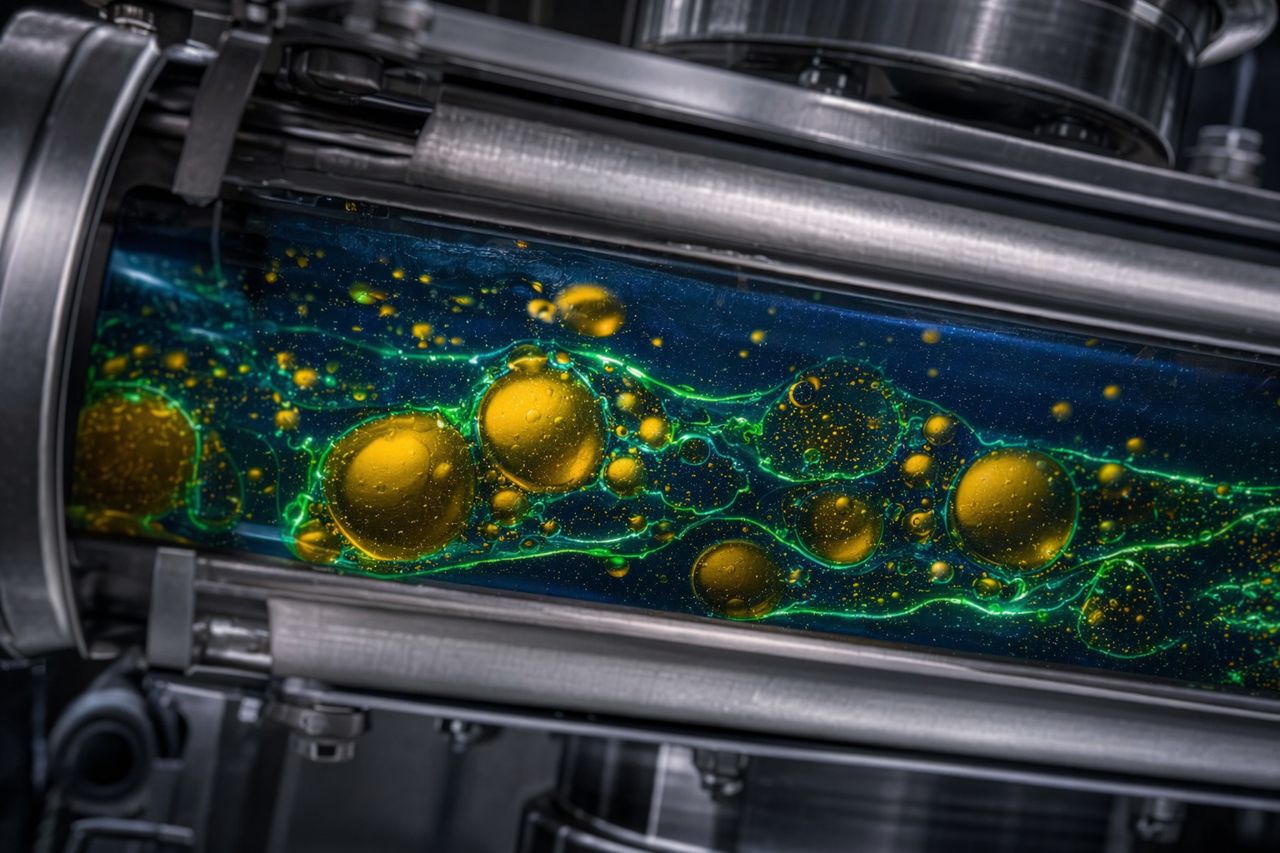
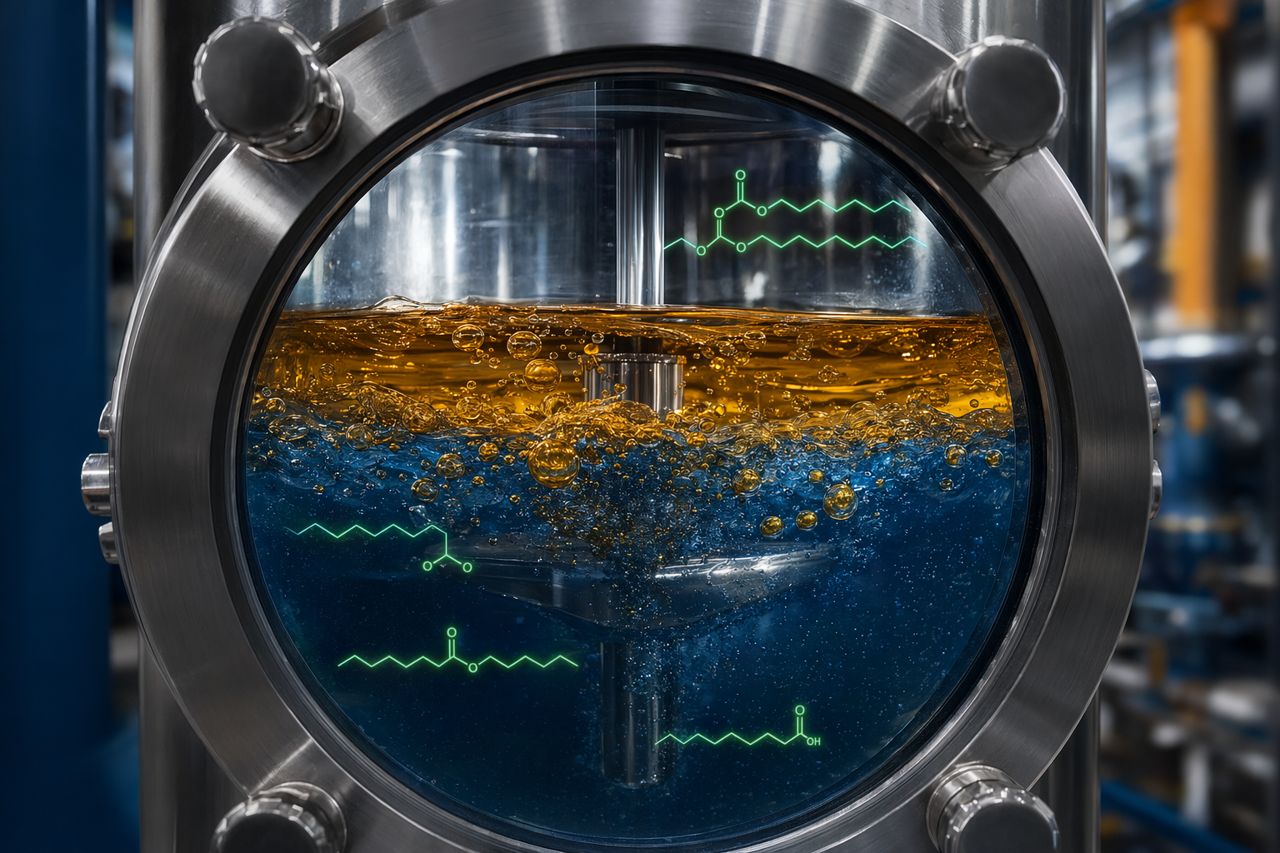
Lipase (triacylglycerol acylhydrolase) is an interfacial catalyst: it works where oil and water meet. That makes it valuable in industrial processes where fats, oils, waxy soils, esters, and emulsions need to be modified, separated, cleaned, or upgraded under controlled conditions.
For buyers and application teams, the main question is not simply whether lipase can break down fat. It is whether the selected lipase matches the feedstock, emulsion structure, processing window, formulation chemistry, and downstream quality target.
Lipase Enzyme Solutions supports industrial lipase selection for practical manufacturing use: hydrolysis, interesterification, ester synthesis, degreasing, stain removal, lipid modification, flavor generation, and fat-rich waste treatment.
Where lipase creates value
Lipase is used when a process involves triglycerides, fatty acid esters, lipid soils, or oil-rich streams. Depending on the enzyme source and formulation, it can support three major industrial outcomes:
- Hydrolysis: converting fats and oils into fatty acids, glycerol, partial glycerides, or cleaner residues.
- Synthesis and restructuring: forming or rearranging esters for modified fats, specialty oleochemicals, flavors, and structured lipids.
- Surface and soil removal: improving release of oily residues from fabrics, hides, process equipment, membranes, and wastewater solids.
The advantage is selectivity. Lipase can target lipid bonds under milder process conditions than many conventional chemical routes, often reducing harsh inputs, side reactions, odor formation, and downstream neutralization load.
Core industrial application areas
Oils, fats, and oleochemical processing
In fats and oils processing, lipase can be used to modify triglyceride structure, manage free fatty acid profiles, and support specialty ester production. Application teams may use lipase for:
- Controlled oil hydrolysis
- Fatty acid and glyceride generation
- Interesterification for structured fats
- Esterification for specialty esters
- Enzymatic pretreatment before separation or purification
Key selection factors include feedstock variability, water activity, solvent or solvent-free operation, immobilized versus liquid format, mass transfer, and desired product distribution.
Food and flavor manufacturing
Lipase can generate characteristic fatty acid notes, improve lipid modification steps, and support cheese, dairy, bakery, and flavor systems where controlled fat conversion matters. Common objectives include:
- Developing dairy-type flavor notes
- Modifying milk fat or vegetable oil fractions
- Supporting bakery dough handling and crumb quality through lipid interaction
- Producing flavor esters or precursors
Food applications require close review of regulatory suitability, allergen position, carrier system, sensory impact, and residual activity control.
Detergents and cleaning formulations
Lipase helps remove greasy soils from textiles and hard surfaces by acting on triglyceride-based stains. It is commonly evaluated in laundry, dish, institutional cleaning, and industrial degreasing systems.
Buyer priorities usually include:
- Compatibility with surfactants and builders
- Stability in liquid or powder formats
- Performance across wash temperatures
- Compatibility with protease, amylase, cellulase, and other enzyme blends
- Odor control from fatty acid release
The best detergent lipase is not only active on oil. It must survive the formulation and perform during the real wash cycle.
Leather, textiles, and fiber processing
In leather and textile operations, lipase can assist with degreasing and surface preparation. It can reduce reliance on aggressive chemical degreasers while improving process consistency.
Typical uses include:
- Hide and skin degreasing
- Wool scouring support
- Removal of natural oils and processing aids
- Improved wet processing before dyeing or finishing
Performance depends on substrate type, fat composition, surfactant package, mechanical action, and wastewater requirements.
Biodiesel and renewable fuels
Lipase can catalyze ester formation and transesterification routes for biodiesel and renewable fuel intermediates. Enzymatic processing is especially relevant when feedstocks contain free fatty acids or impurities that complicate alkaline chemical processes.
Important evaluation points include:
- Feedstock pretreatment needs
- Alcohol tolerance
- Water management
- Immobilized enzyme reuse strategy
- Glycerol separation behavior
- Total process economics over repeated cycles
For fuel applications, the business case is built on yield stability, feedstock flexibility, and downstream simplification rather than enzyme cost alone.
Wastewater, rendering, and fat-rich effluent treatment
Lipase can help break down fats, oils, and grease in wastewater systems, rendering streams, food plant effluents, and grease trap treatment programs. It may improve flow, reduce buildup, and support downstream biological treatment.
Use cases include:
- Pretreatment of high-fat effluent
- Grease trap maintenance
- Reduced lipid scum accumulation
- Improved access for microbial degradation
- Odor and blockage management when properly balanced
System design matters. Lipase should be matched to residence time, temperature, emulsification state, cleaning chemicals, and biological treatment goals.
Choosing the right lipase format
Industrial lipase is not a single product profile. The right choice depends on the process.
Liquid lipase
A practical option for aqueous dosing, cleaning formulations, wastewater treatment, and processes where rapid dispersion is needed. Liquid systems require attention to preservation, storage stability, pH exposure, and compatibility with surfactants or solvents.
Powder or granulated lipase
Often preferred for dry blends, detergent powders, premixes, and applications where controlled handling and storage are priorities. Dust management, dissolution behavior, and blend uniformity should be reviewed.
Immobilized lipase
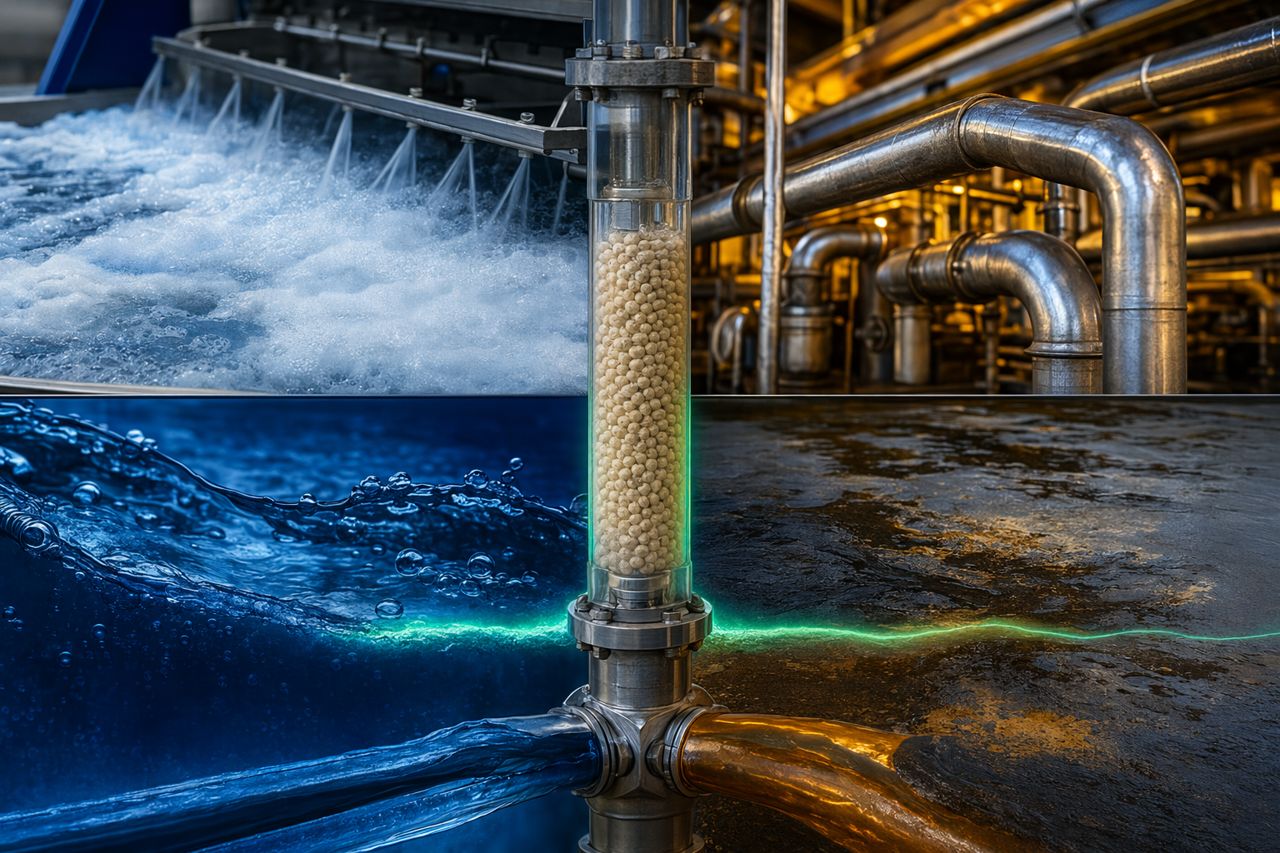
Used where repeated cycles, packed beds, continuous processing, or easier enzyme separation are important. Immobilized formats are common in esterification, interesterification, and selected oleochemical routes. Carrier compatibility, mechanical stability, pressure drop, and cleaning strategy are central to evaluation.
Process variables that influence performance
Lipase performance is shaped by the interface. A strong lab result can fail at plant scale if the oil-water contact, mixing energy, or emulsion structure changes.
Key variables to define before selection:
- Feedstock identity and lipid profile
- Free fatty acid level and impurity load
- Water level and phase behavior
- pH and temperature window
- Surfactants, salts, solvents, alcohols, oxidants, and preservatives
- Mixing intensity and droplet size
- Batch, fed-batch, or continuous operation
- Required product profile or cleaning endpoint
- Downstream separation and residual enzyme control
For B2B sourcing, the best specification is application-linked: what the enzyme must accomplish in the buyer's process, under the buyer's constraints.
What to ask when sourcing industrial lipase
Before requesting samples or pricing, prepare a concise process brief. It helps narrow the enzyme type and avoids mismatched offers.
Include:
- Target application and end product
- Feedstock or soil composition
- Process format: batch, continuous, formulation, or treatment system
- Operating pH and temperature range
- Presence of surfactants, alcohols, solvents, salts, oxidants, or preservatives
- Desired conversion, cleaning result, or product profile
- Preferred enzyme format: liquid, powder, granule, or immobilized
- Regulatory or market requirements
- Packaging and monthly demand estimate
Lipase Enzyme Solutions can then narrow the shortlist and quote pack format and price per order.
Practical application map
| Sector | Typical lipase role | Buyer focus |
|---|---|---|
| Oils and fats | Hydrolysis, interesterification, ester formation | Product profile, selectivity, separation |
| Food and flavor | Fat modification, flavor release, ester generation | Sensory control, regulatory fit, residual activity |
| Detergents | Grease and stain removal | Formulation stability, wash performance, enzyme blend compatibility |
| Leather and textiles | Degreasing, scouring support | Substrate safety, chemical reduction, effluent quality |
| Biodiesel | Esterification and transesterification support | Feedstock flexibility, reuse strategy, downstream processing |
| Wastewater | Fat, oil, and grease breakdown | Flow improvement, buildup reduction, biological compatibility |
Request a quote or get pricing
Send your application brief and target format. The Lipase Enzyme Solutions team will respond with fit-for-purpose lipase options, pack format and pricing quoted per order.
Request a bulk lipase quote
Wholesale and bulk supply for manufacturers, formulators and resellers. To get a quote, send the product you make, the quantity per order or per month, and the destination country, and tell us your application and preferred format (powder, liquid or granule). Pricing, pack format and lead time are quoted per order, and we tell you which documents are available for that grade.