
For buyers deciding whether their process needs lipase, protease, amylase, cellulase or a blend. We supply lipase in bulk; supply is quoted per order.
Request a quote: send the product you make, the quantity per order or per month, and the destination country. Request a quote
Lipase vs. other industrial enzymes
Choosing between enzyme classes starts with the substrate, not the brochure. Lipase, protease, amylase, and cellulase all accelerate hydrolysis, but they act on different chemical bonds, produce different process outcomes, and demand different formulation logic.
For buyers evaluating an enzyme for production use, the practical question is simple: what material must be transformed, separated, cleaned, released, or modified?
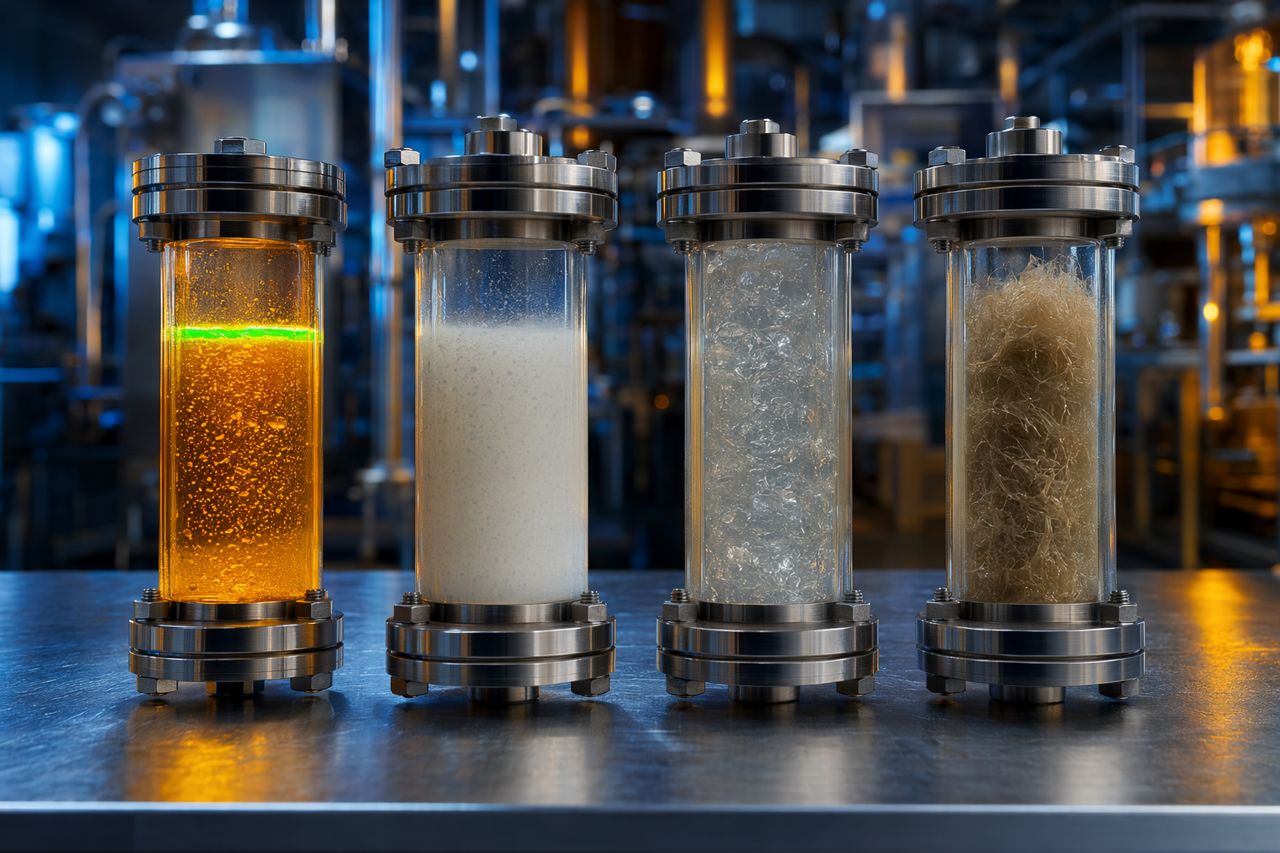
Lipase is the enzyme class for lipid chemistry: fats, oils, triglycerides, esters, emulsions, and hydrophobic soils. Protease targets proteins. Amylase targets starch. Cellulase targets cellulose-rich plant fiber. Confusing these categories leads to weak performance, overdosing, unstable blends, and poor trial interpretation.
What lipase is
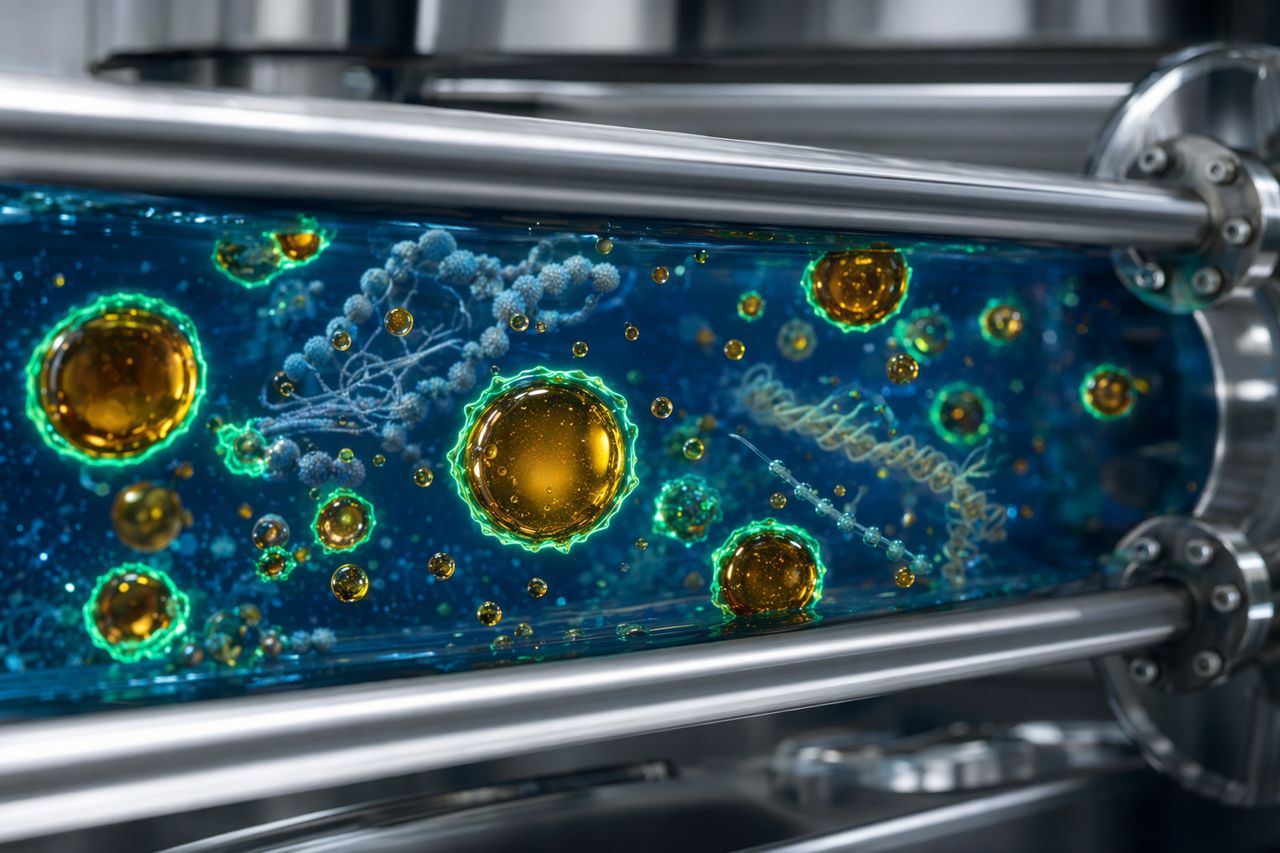
Lipase (triacylglycerol acylhydrolase) catalyzes reactions at the boundary between oil and water. That interfacial behavior is what makes lipase distinct. It is not simply a water-phase hydrolysis tool; it becomes most valuable where triglycerides, fatty esters, emulsified oils, or lipid films must be broken down or selectively modified.
Lipase can support:
- Hydrolysis of fats and oils into fatty acids, mono- and diglycerides, and glycerol-rich fractions
- Ester transformation and lipid modification in controlled reaction systems
- Release of fatty flavor notes in dairy and fermented applications
- Removal of greasy soils in cleaning formulations
- Oil splitting, degumming support, wastewater grease reduction, and oleochemical processing
- Improved handling of lipid-rich residues in industrial side streams
The key point: lipase is selected when the performance target is lipid conversion or lipid removal.
Quick comparison: lipase, protease, amylase, cellulase
| Enzyme class | Primary substrate | Main bond or structure targeted | Typical industrial result | Choose it when you need to... |
|---|---|---|---|---|
| Lipase | Fats, oils, triglycerides, esters, emulsified lipids | Ester bonds in lipid structures | Oil hydrolysis, ester modification, grease removal, flavor release | Transform or remove lipid material |
| Protease | Proteins and peptides | Peptide bonds | Protein breakdown, stain removal, tenderization, solubilization | Break down proteinaceous material |
| Amylase | Starch and related carbohydrates | Glycosidic bonds in starch chains | Viscosity reduction, sugar release, starch removal | Liquefy, saccharify, or clean starch residues |
| Cellulase | Cellulose, plant fiber, cellulosic residues | Glycosidic bonds in cellulose | Fiber modification, biomass treatment, textile surface effects | Modify or partially break down cellulose-based structure |
Lipase vs. protease
Protease is the logical choice for protein soils, protein processing, and peptide generation. It attacks peptide bonds and is commonly evaluated where protein solubilization, stain removal, or texture modification is required.
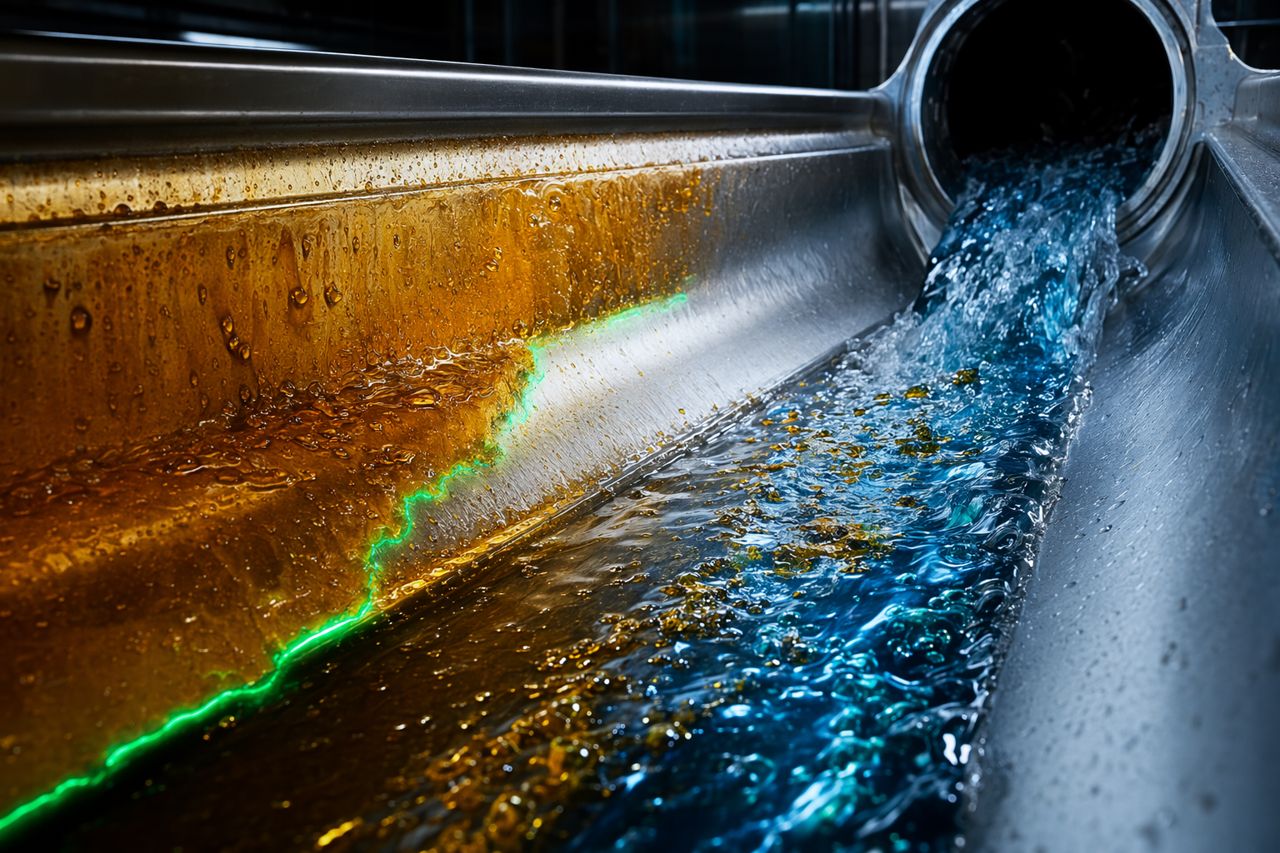
Lipase is different. It does not solve a protein problem unless lipid is the limiting contaminant or process bottleneck. In a greasy food-processing line, for example, protease may help with residual protein film, but lipase addresses the hydrophobic fat layer that resists water-based cleaning. In a detergent blend, protease and lipase can be complementary: one opens the protein fraction, the other breaks the oily fraction.
Choose lipase over protease when:
- The residue is greasy, oily, fatty, or ester-based
- Emulsion breakdown or lipid release is the process goal
- The product value comes from fatty acid or ester transformation
- Protein is present, but lipid is the performance-limiting material
Lipase vs. amylase
Amylase is used when starch is the main substrate. It reduces viscosity, releases soluble carbohydrates, supports starch conversion, and improves removal of starchy deposits. It is a carbohydrate enzyme.
Lipase does not liquefy starch. Its value appears in lipid-rich matrices: edible oils, dairy fat, grease traps, oleochemical feeds, and oil-contaminated wash systems. If a process stream contains both starch and fat, a combined enzyme strategy may be appropriate, but the trial design should isolate which substrate is blocking performance.
Choose lipase over amylase when:
- Fat, oil, or grease is the primary residue
- The target molecules are triglycerides or fatty esters
- The process needs oil splitting or lipid modification
- Starch conversion is not the rate-limiting step
Lipase vs. cellulase
Cellulase works on cellulose-based structure. It is used where plant fiber, textile fibrils, pulp, or biomass architecture must be modified. Its performance is often visible as fiber softening, surface polishing, enhanced extraction, or improved downstream accessibility.
Lipase operates in a different domain: hydrophobic lipid interfaces. It does not directly open cellulose fiber. However, in agricultural, food, or biomass side streams, lipase may help when oils coat solids and reduce mass transfer. In those cases, lipase is not replacing cellulase; it is removing or transforming a lipid barrier.
Choose lipase over cellulase when:
- The target is oil coating, grease load, or lipid-bound material
- Fiber breakdown is not the main requirement
- Better separation depends on reducing hydrophobic fouling
- The desired output is fatty acid, ester, or cleaner aqueous/oil phase behavior
When lipase is the right first enzyme to test
Start with lipase when your process language includes any of the following:
- Fat splitting
- Oil hydrolysis
- Grease removal
- Ester modification
- Lipid flavor development
- Emulsified oil treatment
- Triglyceride reduction
- Hydrophobic soil cleaning
- Oleochemical feedstock conversion
- Lipid-rich wastewater pretreatment
Lipase is especially relevant when mechanical mixing, surfactants, heat, or pH adjustment are doing most of the work but not delivering a clean separation or consistent conversion. In that situation, an interfacial catalyst can change the economics of the step.
When another enzyme class should lead
Lipase is not the correct lead enzyme when the substrate is mostly:
- Protein: start with protease
- Starch: start with amylase
- Cellulose or fiber: start with cellulase
- Pectin-rich plant structure: consider a pectin-active enzyme strategy
- Mixed organic residue: map the dominant failure mode before selecting the blend
A mixed residue does not automatically require a mixed enzyme product. Good selection starts with the material that limits throughput, cleaning, yield, separation, or product quality.
Process variables that matter for lipase selection
For industrial trials, lipase performance is strongly shaped by the physical system around the enzyme. The most important evaluation factors are:
1. Interface quality
Lipase acts where lipid and water meet. Droplet size, mixing intensity, emulsifier load, and phase contact can determine whether the enzyme has usable access to the substrate.
2. Feedstock composition
Different fats and oils vary in chain length distribution, free fatty acid level, ester profile, impurities, and oxidation state. These details influence reaction rate, product profile, and downstream separation.
3. Process window
Temperature, pH, residence time, shear, salts, solvents, surfactants, and cleaning chemistry can all affect lipase stability and productivity. Selection should match real plant conditions, not only bench convenience.
4. Product objective
A lipase for detergent grease removal is not selected the same way as a lipase for edible oil modification, dairy flavor release, or oleochemical transformation. The target output defines the enzyme specification.
5. Compatibility
If lipase is used in a formulation with protease, amylase, cellulase, surfactants, builders, preservatives, or process aids, compatibility must be confirmed under storage and use conditions.
Practical decision guide
Use this sequence before requesting samples or pricing:
- Name the substrate. Is the target lipid, protein, starch, fiber, or a mixed deposit?
- Name the desired change. Removal, hydrolysis, viscosity reduction, flavor release, ester transformation, fiber modification, or separation?
- Identify the limiting step. Is performance constrained by access, chemistry, residence time, fouling, emulsion stability, or downstream recovery?
- Define the process window. Provide real operating ranges and formulation constraints.
- Decide whether lipase is primary or complementary. In mixed systems, lipase may be the lead enzyme or one part of a broader enzyme package.
Summary
Lipase, protease, amylase, and cellulase are not interchangeable processing aids. They are different catalytic tools for different industrial materials.
- Use lipase for fats, oils, triglycerides, esters, grease, and lipid interfaces.
- Use protease for proteins and peptides.
- Use amylase for starch conversion and starch residue removal.
- Use cellulase for cellulose, fiber, and plant-structure modification.
If the process challenge is lipid-led, lipase should be in the first round of evaluation.
Request a quote or get pricing
Tell us your substrate, process conditions, and target outcome. Lipase Enzyme Solutions will route your request to the appropriate lipase supply discussion for industrial evaluation.
Request a bulk lipase quote
Wholesale and bulk supply for manufacturers, formulators and resellers. To get a quote, send the product you make, the quantity per order or per month, and the destination country, and tell us your application and preferred format (powder, liquid or granule). Pricing, pack format and lead time are quoted per order, and we tell you which documents are available for that grade.