
For biodiesel producers and process developers comparing enzymatic and chemical routes. Bulk lipase supply is quoted per order against your feedstock, alcohol system and reactor format.
Request a quote: send the product you make, the quantity per order or per month, and the destination country. Request a quote
Lipase in Biodiesel Production
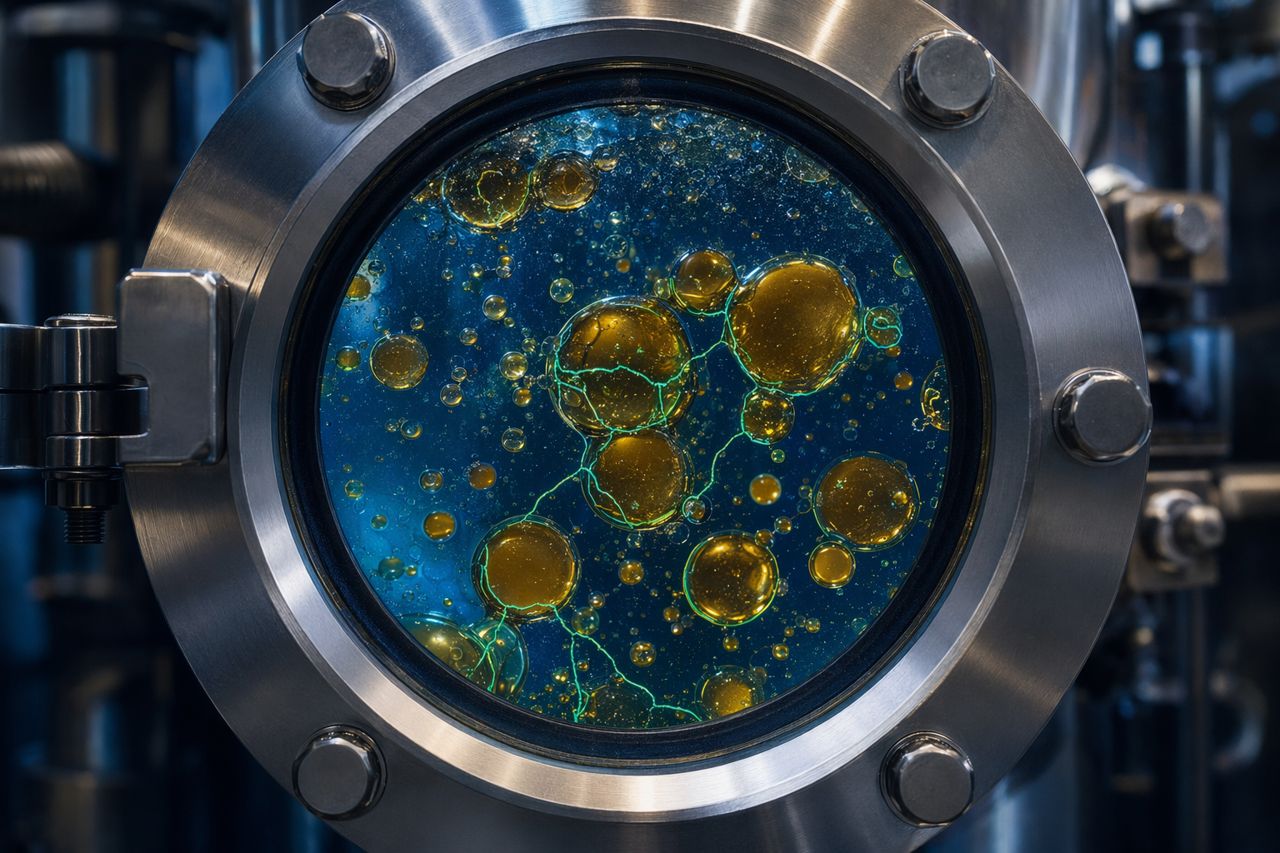
Lipase gives biodiesel producers a more selective way to convert oils, fats, and high-FFA feedstocks into fatty acid alkyl esters. Instead of forcing the reaction with strong chemical catalysts, lipase works at the oil–alcohol interface, where triglycerides, diglycerides, monoglycerides, and free fatty acids are converted through controlled hydrolysis, esterification, and transesterification pathways.
For plants evaluating waste oils, animal fats, acid oils, soapstock derivatives, or blended low-cost feedstocks, this matters. Lipase can help simplify pretreatment, reduce soap formation, improve glycerol separation, and widen the acceptable feedstock envelope.
Lipase Enzyme Solutions supports industrial buyers and application teams evaluating lipase for biodiesel process development, pilot trials, and commercial supply planning.
What lipase does in biodiesel chemistry
Lipase, properly known as Lipase (triacylglycerol acylhydrolase), catalyzes reactions at lipid–water or lipid–alcohol interfaces. In biodiesel production, the key reactions are:
- Transesterification: triglycerides react with short-chain alcohols to form fatty acid alkyl esters and glycerol.
- Esterification: free fatty acids react with alcohol to form esters and water.
- Stepwise acyl conversion: triglycerides are progressively converted through partial glycerides before reaching ester products.
This interfacial behavior makes lipase especially relevant for complex, non-refined lipid streams where chemical catalysts can be sensitive to water, acidity, and impurities.
Why use lipase for biodiesel?
Better tolerance for high-FFA feedstocks
Conventional alkaline biodiesel routes often require low free fatty acid levels to avoid soap formation. Lipase can convert free fatty acids into esters rather than neutralizing them into soaps. That opens the door to lower-cost feedstocks such as:
- Used cooking oil
- Brown grease and trap grease fractions
- Acid oil from refining streams
- Animal fat and tallow blends
- Distillers corn oil and other variable side streams
- Palm fatty acid distillate and similar acidic lipid materials
For producers, the commercial value is straightforward: broader feedstock purchasing flexibility and fewer constraints around upstream refining.
Cleaner glycerol separation
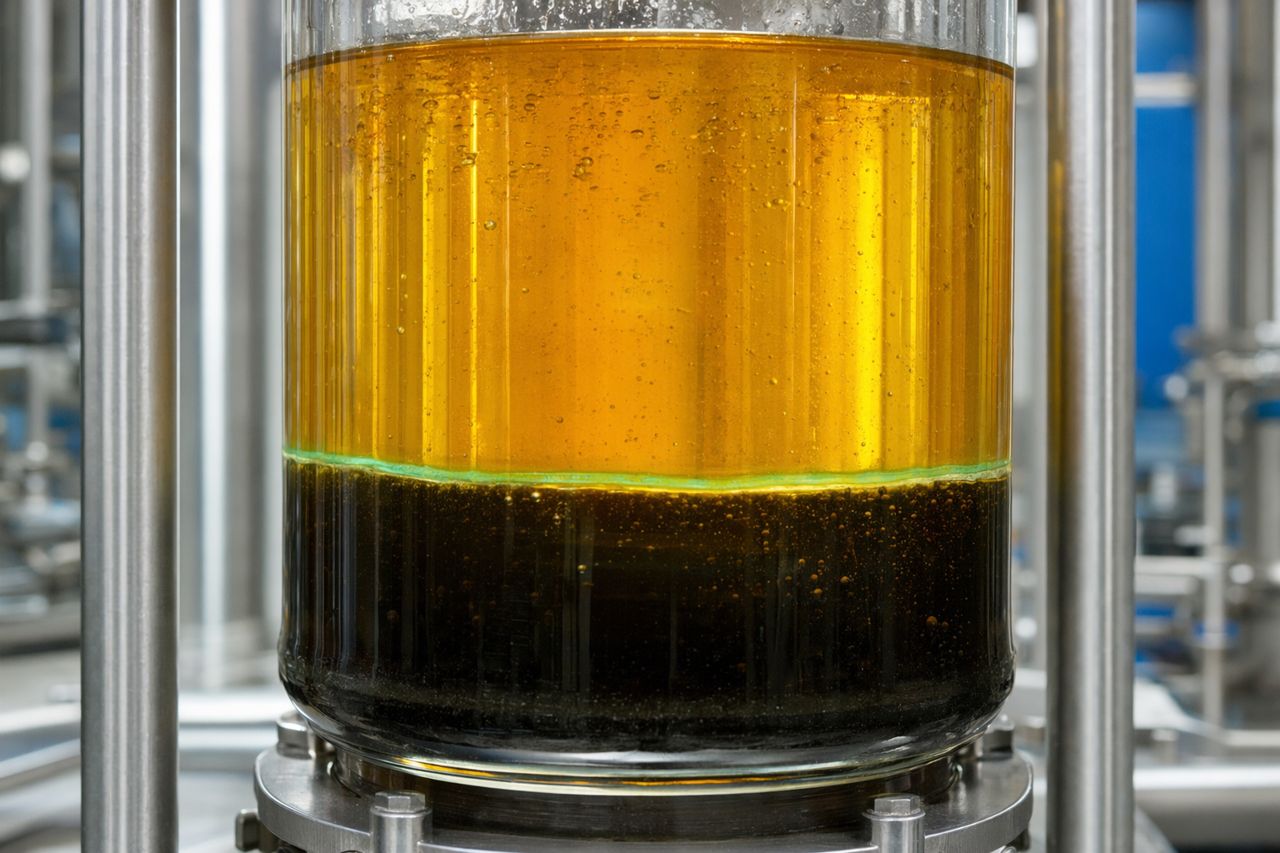
Soap formation can trap ester, complicate phase separation, and increase wash demand. Lipase-based routes reduce this issue by avoiding strong alkaline conditions. The result can be cleaner separation behavior, improved downstream handling, and easier recovery of glycerol-rich coproduct streams.
Milder process conditions
Lipase operates under comparatively mild process conditions. That can support lower thermal stress on feedstocks, reduced corrosion concerns, and compatibility with more controlled continuous or semi-continuous reactor designs.
Selective conversion at the interface
Biodiesel is an interfacial process. Lipase performs where the reaction happens: at the boundary between lipid and alcohol-containing phases. With the right mixing strategy, alcohol addition profile, and water balance, the enzyme can deliver practical conversion without the harsh chemistry associated with conventional catalyst systems.
Common enzymatic biodiesel process formats
Immobilized lipase systems
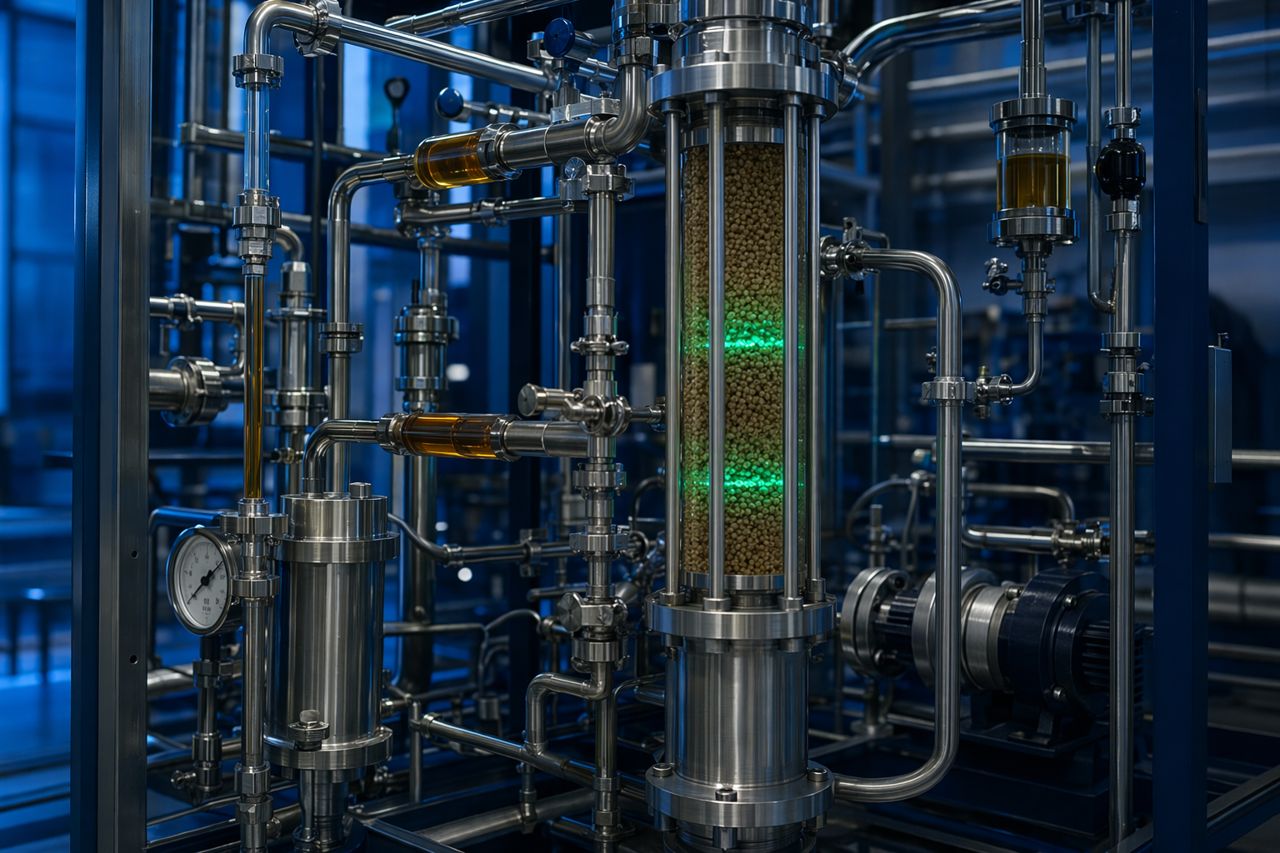
Immobilized lipase is widely considered for industrial biodiesel because the enzyme is attached to a carrier or matrix. This allows reuse, easier separation, and compatibility with packed-bed or recirculating reactor configurations.
Typical advantages include:
- Reuse across multiple batches or continuous operation windows
- Reduced enzyme carryover into product streams
- Easier integration into fixed-bed process concepts
- Potential for stable operation when alcohol exposure is well managed
Immobilized systems require careful control of alcohol concentration, feedstock contaminants, residence time, and mechanical stress. Carrier compatibility and swelling behavior should also be evaluated against the selected alcohol and lipid stream.
Liquid lipase systems
Liquid lipase can be useful in early screening, emulsion-based processing, or applications where enzyme recovery is not the main priority. It may offer faster dispersion and simpler dosing during development, but separation strategy and enzyme consumption must be evaluated carefully.
Batch, fed-batch, and continuous operation
Lipase biodiesel routes are commonly evaluated in:
- Batch trials for feedstock screening and reaction mapping
- Fed-batch alcohol addition to reduce enzyme inhibition
- Recirculating systems for controlled contact with immobilized enzyme
- Packed-bed systems for continuous conversion concepts
The best format depends on feedstock quality, alcohol selection, water balance, desired ester quality, and the plant’s existing unit operations.
Key process variables for application teams
Alcohol addition strategy
Short-chain alcohols can inhibit or deactivate lipase if introduced too aggressively. Many enzymatic biodiesel processes use staged alcohol addition or controlled feeding to maintain reaction rate while protecting enzyme stability.
Methanol is common for fatty acid methyl ester production, but ethanol may be preferred where bio-based alcohol sourcing, regional fuel specifications, or product positioning are important. Each alcohol changes enzyme exposure, phase behavior, and separation profile.
Water balance
Lipase requires a controlled microenvironment. Too little water may reduce catalytic flexibility; too much can shift the reaction toward hydrolysis and increase downstream separation burden. Industrial development should focus on a practical water window for the specific enzyme, feedstock, and reactor format.
Feedstock impurities
Real-world lipid feedstocks contain metals, phospholipids, polymers, oxidation products, suspended solids, and residual cleaning chemicals. These can affect enzyme life, mass transfer, emulsion behavior, and product color. A feedstock qualification plan should include representative seasonal and supplier variability, not just a clean lab sample.
Mixing and mass transfer
Lipase acts at interfaces, so process design must create sufficient contact without damaging immobilized particles or producing emulsions that are difficult to break. The goal is controlled interfacial area, not maximum shear at any cost.
Glycerol management
Glycerol can influence equilibrium and mass transfer as it accumulates. In some systems, staged removal or reactor design choices can improve conversion continuity and reduce fouling risk.
Where lipase can create commercial value
Waste-oil biodiesel projects
Lipase is especially attractive when feedstock cost savings offset enzyme and process-control costs. High-FFA waste oils are a strong fit because enzymatic esterification can convert acidity into saleable ester instead of generating soap losses.
Acid oil and refinery by-product conversion
Refining side streams can be difficult to process by standard alkaline routes without pretreatment. Lipase can help evaluate whether these streams can be upgraded into biodiesel intermediates or finished ester products with fewer neutralization steps.
Lower-wash or dry-wash process designs
By reducing soap formation, lipase can support cleaner downstream separation. This can be valuable for plants seeking to reduce water use, simplify polishing, or improve ester recovery from difficult emulsions.
Continuous enzymatic process development
Immobilized lipase supports continuous process thinking: stable catalyst beds, controlled residence time, staged alcohol exposure, and predictable product handling. These designs require disciplined pilot validation but can be attractive for producers seeking differentiated process economics.
Lipase selection criteria for biodiesel
When comparing industrial lipase options, buyers should evaluate more than headline conversion. Practical selection criteria include:
- Feedstock tolerance across expected FFA, moisture, and impurity ranges
- Compatibility with methanol, ethanol, or selected alcohol blends
- Stability under staged alcohol exposure
- Performance in esterification and transesterification pathways
- Immobilized carrier behavior under plant solvent and shear conditions
- Product separation profile and glycerol phase clarity
- Reuse potential or consumption profile in the intended reactor system
- Supply reliability, documentation, and batch-to-batch consistency
Lipase Enzyme Solutions can support fit-for-purpose enzyme selection for lab screening, pilot confirmation, and scale-up planning.
Development pathway: from bench to plant
1. Feedstock mapping
Start with the actual oils and fats the plant intends to buy. Include high-FFA, high-moisture, and impurity-heavy samples so the process is designed around commercial reality.
2. Reaction screening
Compare alcohol type, staged addition, temperature window, mixing intensity, enzyme format, and water balance. The objective is not just conversion, but stable operation and clean separation.
3. Downstream evaluation
Measure phase split behavior, glycerol quality, ester clarity, residual partial glycerides, filtration load, and wash or polishing demand. Enzymatic routes should be judged by total process outcome.
4. Reuse or consumption modeling
For immobilized systems, evaluate retained performance across repeated cycles or continuous exposure. For liquid systems, evaluate dosage economy and separation strategy.
5. Pilot confirmation
Pilot work should stress the process with representative feedstock variability, realistic alcohol handling, and the intended separation sequence. This is where enzyme performance becomes a commercial process case.
Technical advantages and trade-offs
Advantages
- Converts both triglycerides and free fatty acids
- Reduces soap formation compared with alkaline catalysis
- Supports lower-cost, variable feedstocks
- Can simplify glycerol separation
- Operates under milder conditions
- Fits batch, fed-batch, recirculating, and packed-bed concepts
Trade-offs to manage
- Enzyme cost must be balanced against feedstock savings and downstream benefits
- Alcohol inhibition requires controlled addition strategy
- Immobilized enzyme systems need carrier and reactor compatibility testing
- Contaminants can shorten enzyme life if feedstock qualification is weak
- Water balance and emulsion behavior must be engineered, not assumed
Procurement notes for industrial buyers
For biodiesel applications, lipase sourcing should be treated as a process decision, not a catalog purchase. Before requesting pricing, prepare:
- Target feedstocks and expected variability
- Alcohol choice and fuel specification target
- Batch or continuous process preference
- Immobilized or liquid enzyme preference, if known
- Current pretreatment and separation steps
- Desired trial scale and timing
- Documentation requirements for industrial supply approval
This information allows Lipase Enzyme Solutions to recommend the right lipase format and supply pathway for your evaluation.
Request pricing or technical fit review
Evaluating lipase for biodiesel production, waste-oil conversion, or high-FFA feedstock upgrading? Send your process context and our team will respond with application-focused guidance and pricing.
Include your feedstock type, alcohol system, process format and target evaluation timeline in the quote form.
Request a bulk lipase quote
Wholesale and bulk supply for manufacturers, formulators and resellers. To get a quote, send the product you make, the quantity per order or per month, and the destination country, and tell us your application and preferred format (powder, liquid or granule). Pricing, pack format and lead time are quoted per order, and we tell you which documents are available for that grade.